Picking the right Ignition Spark Plugs really matters if you want your engine to run smoothly, especially with stationary gas engines where reliability and efficiency aren’t just buzzwords—they're everything. You know, industry stats show that around 30% of engine troubles come down to either worn-out or incorrect spark plugs, which just goes to show how important they really are in the ignition system.
At TECHIE Inc., we're all about offering solid solutions tailored for different gas engines like GE Jenbacher, MWM, and CAT—covering over 95% of what our clients need. By understanding the different types of spark plugs out there, you can actually boost your engine's lifespan, save on fuel, and cut down on maintenance headaches.
This guide's here to help vehicle owners and tech folks make smarter choices, so they can pick what's best for their specific setups without the usual guesswork.
Understanding Spark Plug Types: A Breakdown of Copper, Platinum, and Iridium Options
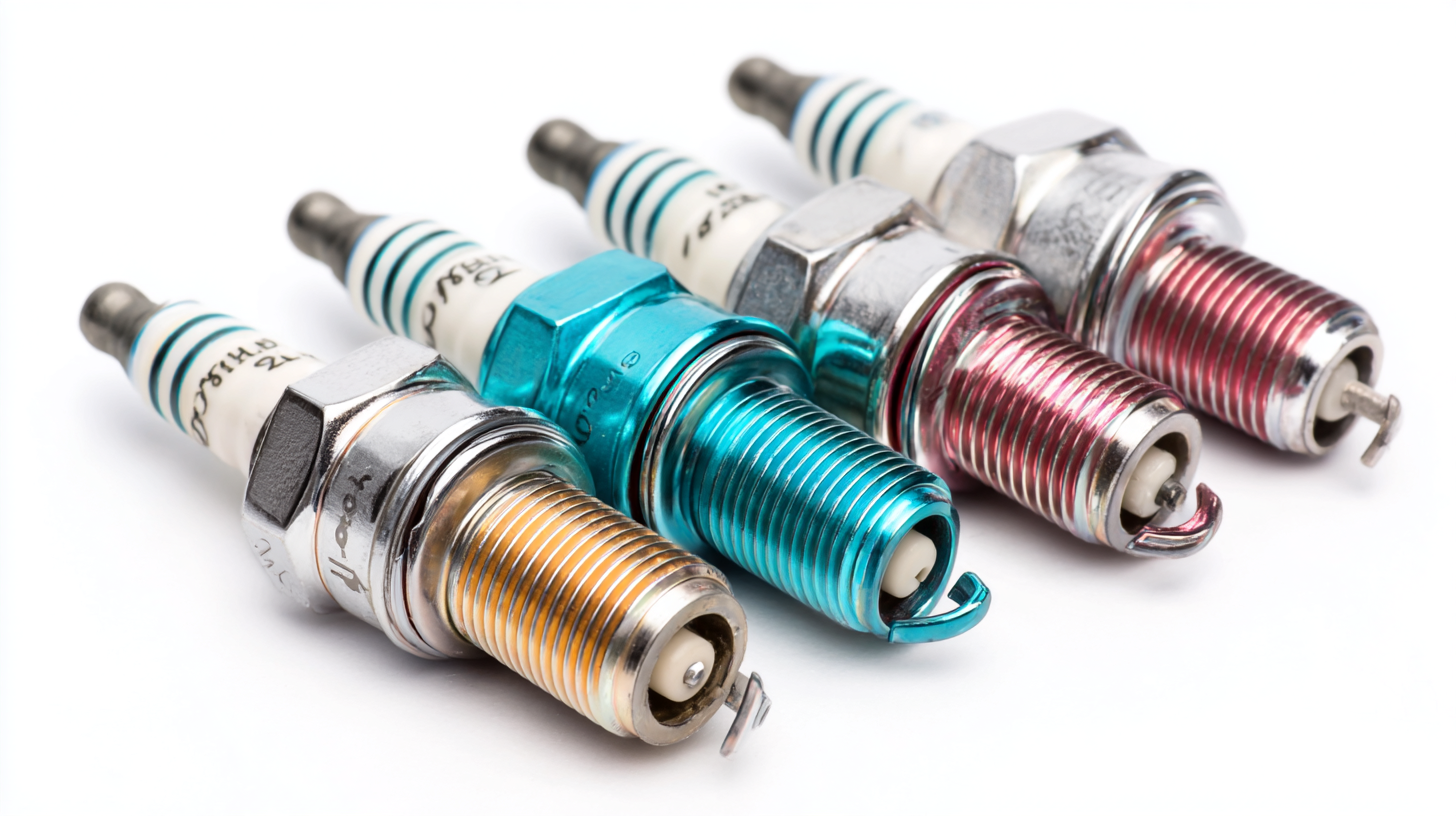
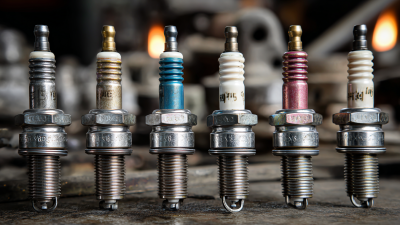
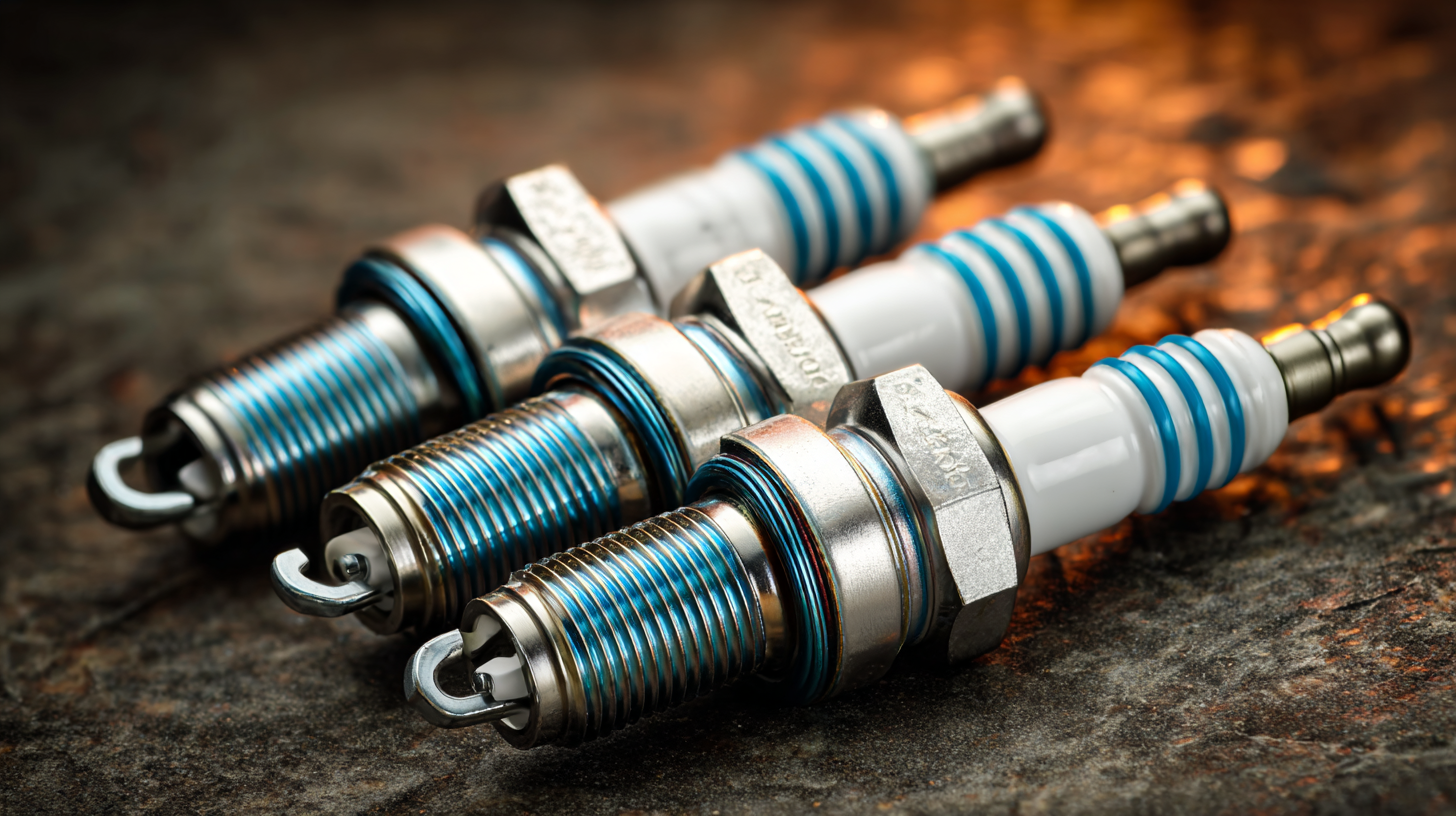
When you're trying to pick out spark plugs for your vehicle, it's pretty important to get a good handle on the different types out there. Basically, spark plugs usually come in three main flavors: copper, platinum, and iridium. Copper plugs are kind of the old-school choice — they’re reliable for conductivity, but they tend to wear out faster, so they’re often better suited for older cars. Now, Platinum Spark Plugs are a bit more durable and are designed with modern engines in mind; they last longer and tend to work more efficiently. Then there are iridium plugs, which take things a notch higher through super tough materials that give them excellent longevity and performance. These are usually the go-to for high-performance cars or anyone really serious about their ride.
Looking at the bigger picture, the global market for spark plugs is expected to grow quite a bit. In fact, it’s projected to go from about $1.82 billion in 2023 to roughly $2.18 billion by 2030, with a compound annual growth rate of around 2.6%. One big reason for this boost is that there are more vehicles on the road worldwide, which naturally means more demand for spark plugs in the auto aftermarket — estimates suggest this market could grow by around USD 136.5 million between 2024 and 2028. Plus, as cars are getting smarter and more dependent on advanced ignition systems, the need for high-quality spark plugs is only going up. So, if you’re a car owner, understanding your options when it comes to spark plugs isn’t just smart — it’s kinda necessary if you want your vehicle to run smoothly and efficiently.
Key Factors Affecting Spark Plug Performance: Heat Range, Gap Size, and Design Considerations
When you're picking out ignition spark plugs for your car, it’s pretty important to get a handle on what really influences how well they work. There are three main things you want to keep in mind: heat range, gap size, and design. The heat range basically tells you how good the plug is at getting rid of heat from the combustion chamber. Picking the right one is a big deal — if it's too hot, you risk pre-ignition, which is no good. On the flip side, if it’s too cold, the plug might get fouled up and stop working properly. Your best bet is to check your vehicle’s manual for the recommended heat range — it’s the safest way to go.
Then there's the gap between the electrode tips, which really affects how well the spark can ignite the air-fuel mixture. If you go for a wider gap, you might get a stronger spark, but you’ll need a pretty robust ignition system to handle it. A narrower gap, on the other hand, is usually more reliable, especially for engines with weaker ignition systems. Making sure the gap is set just right for your specific vehicle can really make a difference in how smoothly your engine runs.
A few tips: Make it a habit to check your spark plugs from time to time — look for wear or any signs of damage. Using a feeler gauge to measure and set the gap precisely is a good idea. Also, choose spark plugs that are designed specifically for your car and the way you drive — it can really boost your engine’s efficiency and make your engine last longer.
Identifying Signs of Worn Spark Plugs: When to Replace for Optimal Engine Efficiency
Worn-out spark plugs can really mess with how your car runs, so it’s a good idea to keep an eye out for signs that they might need replacing. For starters, you might notice your engine feeling a bit sluggish—like it hesitates when you hit the gas—or sometimes it’s a pain to start up. You may also see that your fuel tank seems to drain faster than usual, but your car just isn’t giving you the same power. These issues often point to spark plugs not firing properly and failing to ignite the air-fuel mix like they should.
Another red flag is engine misfires, which can cause your car to idle roughly or even stall at low speeds. If that’s happening, it’s probably a good idea to check your spark plugs. Sometimes, just inspecting them can give you a clue—dark deposits or signs of wear on the plugs usually mean they’re past their prime. Basically, regular inspections of your spark plugs not only help keep your engine running smoothly but can also extend the overall life of your car. So, don’t ignore those little signs—they matter!
The Ultimate Guide to Choosing the Right Ignition Spark Plugs for Your Vehicle
| Spark Plug Type | Lifespan (miles) | Common Signs of Wear | Recommended Replace Interval |
| Copper | 20,000 - 30,000 | Fouling, poor acceleration | Every 20,000 miles |
| Platinum | 60,000 - 100,000 | Diminished power, misfiring | Every 60,000 miles |
| Iridium | 75,000 - 120,000 | Rough idling, starting issues | Every 75,000 miles |
| Double Platinum | 100,000 - 120,000 | Increased fuel consumption, backfiring | Every 100,000 miles |
Choosing the Right Spark Plug for Your Vehicle: Manufacturer Recommendations and Specifications
When you're picking out the right spark plugs for your vehicle, it's pretty important to stick close to what the manufacturer recommends and their specs. From what I’ve read and seen in industry studies, using the wrong type of spark plug can really ding your engine’s performance and even boost emissions—that’s not good news. Big names like GE Jenbacher, MWM, and CAT have their own guidelines to make sure you get the best fit for their engines. Techie Inc. is pretty much a pro in ignition systems for stationary gas engines, covering over 95% of different models out there. If you follow these tips, you’ll likely see better fuel efficiency and your engine staying in better shape longer.
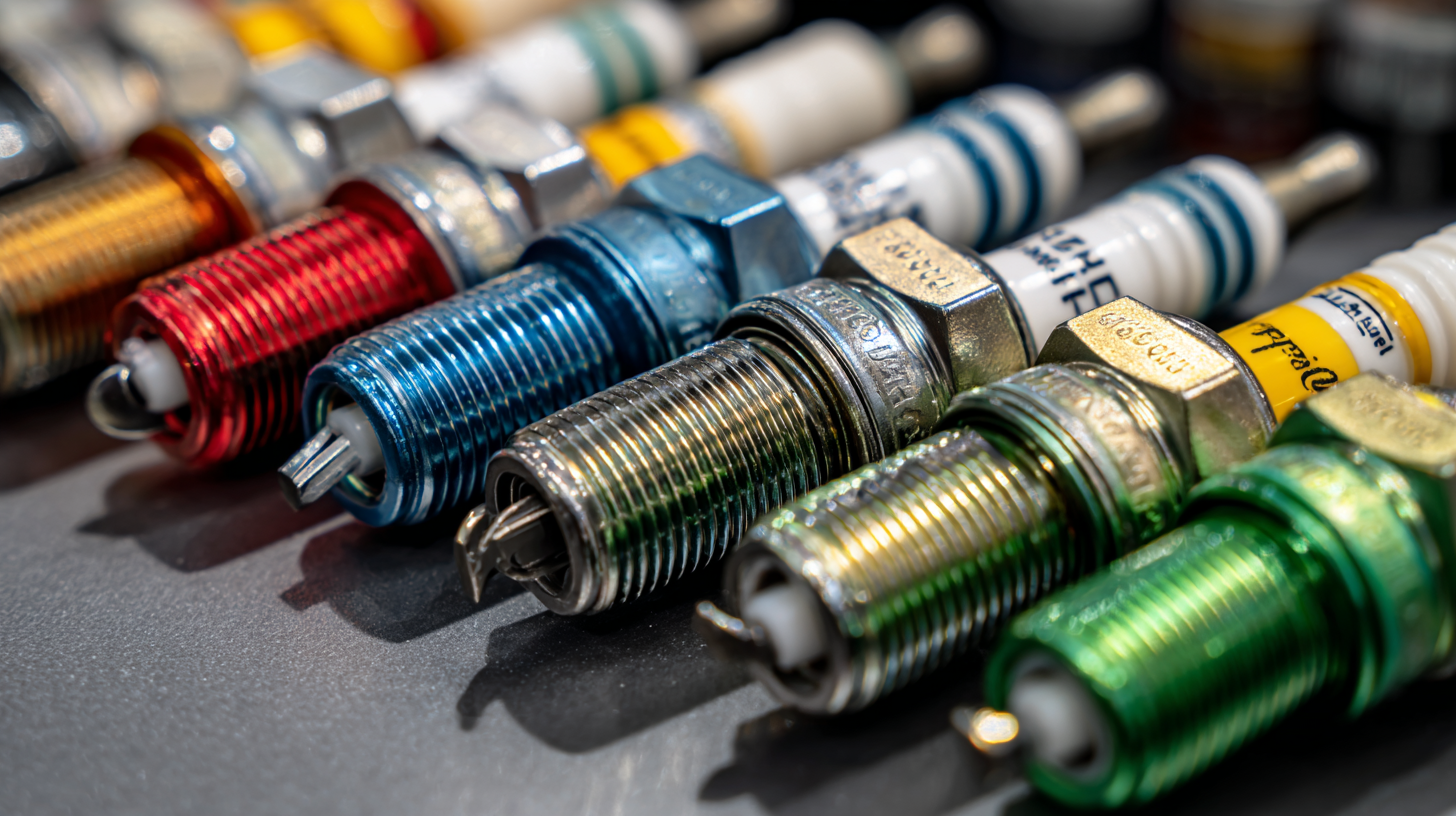
A good starting point is to check the heat range that the manufacturer recommends—this really matters because it controls how well the spark plug handles the combustion temperature. Also, make sure the specs of the spark plug match what your engine needs; even tiny mismatches can throw off performance. Keep an eye on your spark plugs, swapping them out regularly to keep misfires at bay—trust me, ignoring this can lead to bigger engine problems down the line.
Oh, and don’t forget about the materials! Iridium and platinum spark plugs tend to last longer and give better overall performance compared to the standard copper ones. Going for high-quality, engine-specific plugs can make a noticeable difference in your engine’s reliability and efficiency—super important when you’re dealing with stationary gas engines or any critical setup.
Comparative Lifespan Analysis: How Different Spark Plug Materials Impact Longevity and Cost
When you're picking out ignition spark plugs for your car, the material they’re made from really makes a difference—not just for how long they last, but also for how cost-effective they are. Lately, I’ve read that the global spark plug market is on the rise, expected to jump from around $12.6 billion in 2024 to about $23.2 billion by 2034. A big part of this growth comes from new tech in spark plugs, like the development of innovative materials that boost durability and performance.
You’ve got options here—materials like copper, platinum, and iridium each have their own pros and cons. Copper spark plugs are pretty cheap, but they don’t last as long—think maybe a few tens of thousands of miles. On the other hand, platinum and iridium versions can last up to 100,000 miles or more, which is a pretty big deal these days, especially as drivers are getting more conscious about the costs and environmental impact of maintenance. Plus, with electric vehicles making waves, traditional engines are really upping their game to stay competitive, especially in terms of reliability.
At TECHIE Inc., we actually focus on ignition systems for stationary gas engines. We carry a wide range of products—covering over 95% of different gas engine models out there. As the spark plug market keeps changing, our commitment to high-quality components means our customers can take advantage of the latest advancements, whether they’re working with classic combustion engines or exploring newer hybrid tech. We’re here to help keep engines running smoothly and efficiently, no matter what the future holds.
The Importance of Regular Spark Plug Maintenance: Impact on Fuel Economy and Emissions
Taking good care of your spark plugs is pretty essential if you want your car to run smoothly. Not only does it help you save on fuel bills, but it also keeps emissions in check. Regularly checking and changing your spark plugs can really prevent engine misfires and make sure everything’s burning just right. If those plugs get worn out, you might notice your car guzzling more gas, which hits your wallet harder and isn’t great for the environment either. So, keeping your spark plugs in tip-top shape means a smoother ride, better fuel economy, and a smaller carbon footprint.
A few tips for keeping your spark plugs happy:
1. Check your owner’s manual for how often to swap them out — different cars have different needs.
2. Keep an eye out for signs of wear, like worn electrodes or build-up, which tell you it’s time for a change.
3. If you’re often driving in tough conditions, think about upgrading to high-Performance Spark Plugs—they can really improve efficiency and cut down on emissions.
By giving your spark plugs some love, you’re not just helping your car run better, but you’re also doing your part to be a bit greener.
Optimizing Generator Performance with TECHIE Prechamber Spark Plugs for MWM TCG Gensets
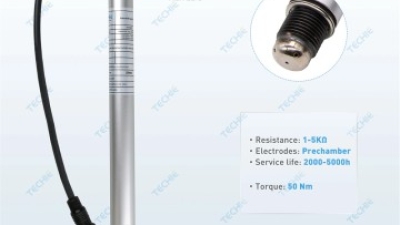
Optimizing the performance of generator sets is crucial for maximizing efficiency and reducing operational costs. The introduction of TECHIE Prechamber spark plugs specifically designed for MWM TCG gensets, including the TCG 2020 V12, V16, V20, and CG 170 Biogas models, has shown promising results in enhancing generator performance. According to industry data, effective spark plugs can improve combustion efficiency by up to 10%, thereby reducing fuel consumption and emissions.
The TECHIE Prechamber spark plugs utilize advanced technology that ensures a more uniform flame propagation within the combustion chamber. This innovation leads to better ignition characteristics and enhanced power output, which is vital for biogas applications where fuel quality can vary. Industry reports indicate that upgrading to high-performance spark plugs like TECHIE’s can result in a significant reduction in misfire incidents, increasing overall engine reliability and longevity.
Additionally, the compatibility of TECHIE Prechamber spark plugs with MWM TCG gensets allows for an easier transition for operators looking to optimize their existing systems. Testing has revealed that with the addition of these high-tech spark plugs, operators can expect not only immediate performance gains but also long-term benefits such as reduced maintenance costs and extended intervals between service. The data suggests that investing in such innovations positions operators favorably in a competitive market focused on sustainability and efficiency.
FAQS
: The main types of spark plugs are copper, platinum, and iridium. Copper spark plugs are traditional and offer good conductivity but have a shorter lifespan. Platinum spark plugs provide better durability and efficiency, while iridium spark plugs enhance longevity and performance, making them ideal for high-performance vehicles.
Understanding the types of spark plugs is crucial for optimal vehicle performance and helps vehicle owners select the appropriate spark plugs that match their engine's requirements for better efficiency and longevity.
Common signs of worn spark plugs include poor engine performance (hesitation during acceleration or difficulty starting), reduced fuel efficiency, engine misfires (rough idle or stalling), and visible wear or dark deposits on the spark plugs themselves.
To select the right spark plug, refer to the manufacturer's recommendations and specifications, check the heat range, and ensure that the spark plug's specifications match your engine's requirements. Using mismatched spark plugs can decrease engine performance and increase emissions.
The global spark plug market is projected to grow significantly from $1.82 billion in 2023 to $2.18 billion by 2030, indicating an increasing demand driven by the rise in vehicle parc and the need for high-quality spark plugs.
It's advisable to regularly check and replace spark plugs to prevent engine misfires and maintain engine efficiency. Regular inspection can help prolong the life of your vehicle and ensure optimal performance.
Conclusion
Picking out the right ignition spark plugs is pretty important if you want your engine to run smoothly. In this guide, I’ll walk you through the different types of spark plugs—think copper, platinum, and iridium—and what makes each one special. We’ll also dive into key things like heat range, gap size, and design stuff so you can figure out which spark plug will work best for your ride. Plus, being able to spot when your spark plugs are worn out can help keep your engine running efficiently. And, of course, sticking to what the manufacturer recommends is always a smart move to make sure everything stays compatible.
How long your spark plugs last really depends on what material they’re made of, which in turn affects both how often you’ll need to replace them and how much they cost. Keeping up with regular maintenance doesn’t just help your fuel economy—it also cuts down on emissions, which is good for the planet. Oh, and if you’re running stationary gas engines, TECHIE Inc. has got you covered with a wide range of ignition systems and spare parts for gas engines. They’re committed to providing quality and reliability for all your ignition needs.